SOUND AND CONSCIOUSNESS
LESSON I
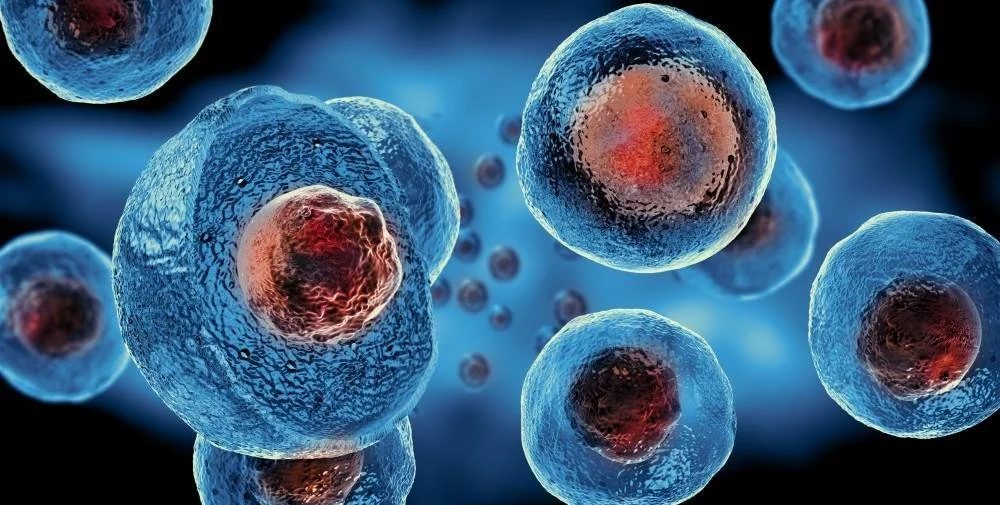
What if sounds could heal us?
For centuries, ancient civilizations have believed in the healing power of sound. From Tibetan singing bowls to Aboriginal didgeridoos, sound has been used not just to soothe the mind, but to heal the body. These cultures seemed to understand something profound: that vibrations and frequencies hold transformative power.
Today, brand-new research suggests they might have been right all along. Scientists are beginning to unravel the mysteries of Sound Medicine — a field that explores how specific vibrations and frequencies can impact our cells at the deepest levels. What was once considered mystical is now being validated by science: sound waves don’t just move through the air; they interact with biological tissue, influence cellular behavior, and even accelerate healing.
Imagine a future where chronic pain, inflammation, and even cellular regeneration are treated not with invasive procedures, but with carefully tuned frequencies. A future where vibrational medicine reshapes the way we think about health and well-being. This growing field of study is being backed by cutting-edge research that is beginning to show measurable results.
Could the medicine of the future be rooted in sound?
Let’s explore how modern science is finally catching up to ancient wisdom, and why the vibrations around us might just hold the key to unlocking a new era of natural healing.
The Science of Sound Medicine
Sound medicine is no longer considered an alternative therapy; it is rapidly gaining traction within scientific communities for its measurable impact on biological tissues. At its core, sound medicine operates on the principle of resonance — the idea that everything vibrates at its own frequency, including our cells.
Cellular Resonance and Healing
When sound waves interact with biological tissues, they can induce mechanical vibrations that influence cellular processes. This phenomenon, often referred to as cellular resonance, is foundational to understanding how specific frequencies can promote healing. Sound waves propagate through tissues, creating pressure changes that can alter cellular function, reduce inflammation, and even encourage tissue regeneration.
Numerous studies confirm the use of cellular resonance for healing:
Sound Waves Targeting Damaged Cells: One groundbreaking 2024 study published in MDPI’s International Journal of Molecular Sciences found that sound waves at specific frequencies could target damaged cells without affecting healthy ones, suggesting a potential for non-invasive therapies for conditions such as arthritis and chronic inflammation. The researchers noted that sound waves stimulated mitochondrial activity, boosting the cells’ energy production and enhancing their natural repair mechanisms.
Ultrasound and Tissue Regeneration: A 2022 study published in Frontiers in Physiology explored the effects of ultrasound on tissue regeneration. The study revealed that low-intensity pulsed ultrasound (LIPUS) effectively stimulated cellular repair mechanisms in damaged tissues, suggesting new possibilities for non-invasive recovery protocols.
Sonic Stimulation and Bone Regeneration: A 2022 study conducted by researchers at RMIT University demonstrated that high-frequency sound waves can induce mesenchymal stem cells to differentiate into bone cells. This innovative approach offers a non-invasive method to promote bone regeneration, potentially benefiting patients recovering from bone loss due to cancer or degenerative diseases.
Stem Cells and Regeneration: Recent research has shown that sound waves, especially low-frequency vibrations, can facilitate cellular repair and enhance tissue strength. A 2016 study published in PeerJ found that low-frequency vibrations help certain types of stem cells to differentiate into healthy cartilage. The study’s findings highlight sound therapy’s potential role in regenerative medicine, particularly in combating age-related cartilage degeneration.
Vibroacoustic Therapy and Pain Relief: A 2015 study published in PMC found that vibroacoustic therapy — using low-frequency sound vibrations — significantly reduced pain and anxiety in patients with fibromyalgia. The researchers concluded that targeted sound waves could modulate pain pathways at the neurological level, offering non-invasive relief.
Emerging research:
Targeted Healing with Specific Frequencies: Emerging research in sound therapy suggests that each organ in the body resonates at its own unique frequency. Scientists are now exploring how matching these frequencies can stimulate organ healing and regeneration — a concept known as BioResonance Therapy or Resonant Frequency Therapy. While direct clinical studies are still emerging, foundational science supports its potential to restore balance and promote recovery.
Mechanisms Behind Sound Medicine
The therapeutic effects of sound are rooted in its ability to influence cellular behavior. When cells are exposed to resonant frequencies, their ion channels open more effectively, enhancing nutrient uptake and waste removal. Additionally, sound waves have been shown to stabilize cellular membranes, making them more resilient to external stress.
Central to this healing process is mechanotransduction, the biological mechanism by which cells sense and respond to mechanical signals like vibrations. Extensive research from The Mooney Lab at Harvard has shown that vibrations can trigger cells to produce more collagen, grow faster, and repair damage. This groundbreaking research suggests that one day, doctors might use sound waves to heal wounds, repair joints, and even fight inflammation — all without surgery or pharmaceuticals.
Researchers are uncovering the ways in which vibrations and frequencies serve not just as metaphors for harmony but as literal mechanisms of healing at the cellular level.
Life is Vibration
These studies underscore a broader perspective that resonates with ancient wisdom: the idea that sound and vibration form the very essence of life.
“Everything in life is vibration.” — Albert Einstein
From the rhythmic pulses of the heart to the oscillations of cellular membranes, vibration is intrinsic to biological function. By tapping into these natural frequencies, modern medicine may unlock healing potentials that were once considered purely metaphysical.
As research continues to deepen, sound-based healing could emerge as a cornerstone of holistic medical practice, merging the boundaries of science and spirituality in the pursuit of wellness.
What’s next? To truly visualize the power of sound, Cymatics — the study of sound wave visualization — reveals how frequencies can physically shape matter, hinting at how our cells might respond to healing vibrations.